
Sanskirt Web SEO Unlocking Success: How to Launch a Seamless SEO Campaign

Unlocking Success: How to Launch a Seamless SEO Campaign

Unlocking Success: How to Launch a Seamless SEO Campaign post thumbnail image

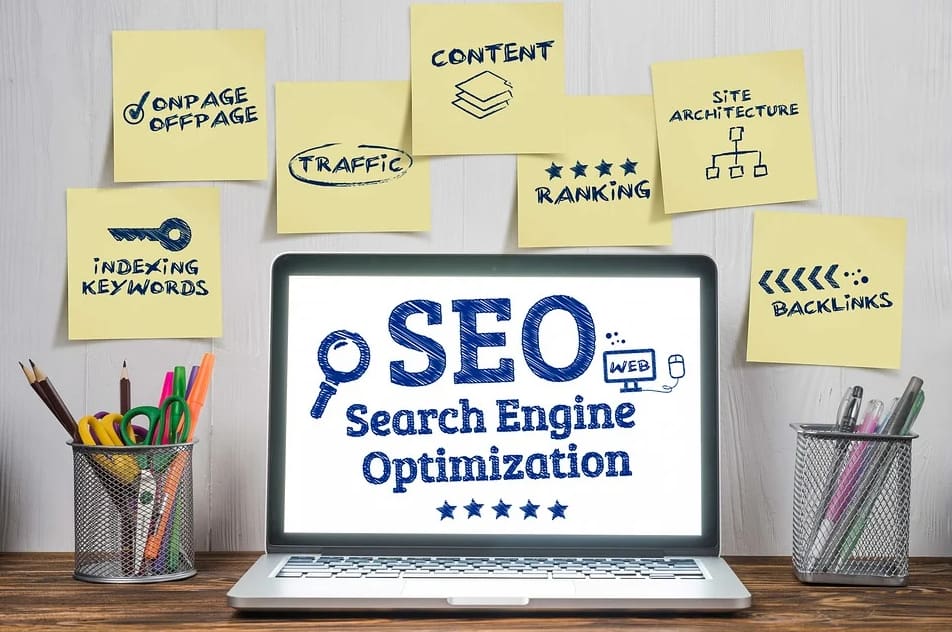
Are you ready to take your online presence to the next level? Launching a successful SEO campaign is like unlocking a treasure trove of opportunities for your business. By following these essential steps, you can elevate your website’s visibility and drive organic traffic like never before. Let’s dive into the world of SEO and discover how to pave the way for success.

Clear Goals

Setting clear goals is the foundation of any successful SEO campaign, according to https://springhillmarketing.co.uk/the-ultimate-guide-to-blogging-for-seo-success/. Before diving into keyword research or content creation, take the time to define what you want to achieve. Whether it’s increasing website traffic, improving search engine rankings, or boosting online sales, clarity is key. Start by identifying your target audience and understanding their needs and preferences. This will help you tailor your SEO strategy to attract relevant visitors. Next, establish specific and measurable objectives that align with your overall business goals.

Keyword Research

research

Keyword research is known to be the cornerstone of any successful SEO campaign. It involves identifying the words and phrases that your target audience is using to search for content online. By understanding these keywords, you can optimize your website to attract relevant traffic. Start by brainstorming a list of potential keywords related to your business or industry. Utilize certain tools to expand your list and identify high-performing keywords with decent search volume and low competition. Consider long-tail keywords as well, which are more specific phrases that typically have higher conversion rates. These can help you target a niche audience more effectively.

On-Page SEO

When it comes to on-page SEO, optimizing your website’s content is key. This involves strategically placing keywords throughout your pages to improve visibility on search engines. Title tags are known to play a crucial role in on-page SEO by providing a clear and concise description of what your page is about. Meta descriptions also contribute to improving click-through rates by giving users a preview of the content. Utilizing header tags helps organize your content for both users and search engines, making it easier to read and understand. Additionally, incorporating internal links within your content can improve navigation and enhance the user experience.

Quality Content

brands

When it comes to launching a successful SEO campaign, quality content is key. Your website needs to offer value to your audience through informative and engaging articles, blog posts, videos, and more. Quality content does not only help improve your search engine rankings but also keeps visitors on your site longer, increasing the chances of conversion. Make sure your content is well-written, error-free, and provides solutions to the problems or questions that your target audience may have. Utilize relevant keywords naturally within your content to make it easier for search engines to understand what your page is about. Remember that user experience should always be a top priority when creating content – aim for readability and relevance.

Launching an effective SEO campaign requires careful planning and consistent effort. By focusing on setting clear goals aligned with your business objectives, conducting in-depth keyword research to target the right audience, optimizing on-page elements for search engines, and consistently delivering quality content that engages users, you can enhance your online presence and drive organic growth. Remember that SEO is a continuous process that demands monitoring and adjustments over time. Stay committed to refining your strategy based on data insights and industry trends to achieve sustainable results in the dynamic world of search engine optimization. Unlock the full potential of your website by launching a seamless SEO campaign today.

Related Post

seo

Easy Steps to Get More Ecommerce Backlinks from Popular BlogsEasy Steps to Get More Ecommerce Backlinks from Popular Blogs

Are you looking to boost your e-commerce website’s visibility and increase traffic? This post is for you. As mentioned by this leading ecommerce seo agency, one effective way to achieve this is by acquiring backlinks from popular blogs. Backlinks not only drive organic traffic but also improve your site’s search engine ranking. But how? Read on and find out just how professionals get more e-commerce backlinks from popular blogs.

Go On the Hunt For Outdated, Moved, or Expired Resources

backlinksOutdated, moved, or expired resources can be a goldmine for acquiring valuable backlinks to your e-commerce website. These resources often still have active links pointing to them from reputable blogs and websites. By identifying these outdated resources and reaching out to the site owners, you can offer updated content or suggest replacing their broken link with a link to your own relevant page.

But how do you find such resources? Utilizing various online tools like Broken Link Checker or Ahrefs’ Site Explorer is the answer. These tools allow you to search for broken links on popular blogs in your niche. Once you’ve identified potential targets, visit them and make sure their relevance matches up with your own site. Then, look for opportunities where adding your content as a replacement would make sense and provide value to readers.

Get a List of Pages Directing to the Outdated Resource

Once you have identified the resources above, the next step is to get a list of pages still directing traffic to them. To do this, you can still use the same tools to gather information about these pages. These tools will provide valuable data, such as the number of referring domains and backlinks each page has. Once you have compiled a list of relevant pages linking to the outdated resource, it’s time to start reaching out.

Send Outreach Emails

website

Reaching out to them and securing those valuable backlinks are what you should do next. Basically, it involves sending outreach emails to the website owners or administrators. When crafting your outreach email, be authentic and personalized. Start by introducing yourself and explaining why their website is relevant to your industry or content. Be specific about which resource on their site needs updating or replacing with your own content.

Highlight the benefits of replacing the old resource with yours – whether it’s more up-to-date information, better design, or additional value for their audience. Offer them a win-win situation by suggesting they can improve user experience on their site while benefiting from a high-quality replacement resource. And, of course, include a link directly to your new resource so they can easily access it without searching through your website.

In today’s competitive online marketplace, getting backlinks from popular blogs can significantly boost your e-commerce website’s visibility and credibility. By copying these easy steps, you have much better odds of obtaining valuable backlinks that will drive more traffic to your site.

Obtaining backlinks from popular blogs may take time and effort but remember that quality always triumphs over quantity when it comes to building links. Focus on creating exceptional content that provides value to readers and positions you as an authority in your field.

developer

Reasons SEO is Important in Web DevelopmentReasons SEO is Important in Web Development

Search engine optimization (SEO) is a crucial part of web development. It impacts not only the usability and user experience but also the long-term success of your business. You can choose to ignore SEO or take proactive steps to create an optimized website that will rank well in search engines for related search terms. If you check ravenshoegroup.com, you can learn how much should website design, development, and hosting cost. Below are the reasons SEO is important in web development.

Increases Website Speed

workingSEO can help to increase website speed. When optimizing your website for search, you’re also making it more efficient and faster to load. This is because you’re reducing the number of files that need to be loaded, as well as compressing images and optimizing code. Many people are not aware that slow-loading websites are not only frustrating for users but they can also hurt your business in terms of search engine rankings.

Improves User Experience

A well-optimized website provides a better user experience. The website is designed to be easy to use and navigate, with clear calls to action and an intuitive layout. When users have a positive experience on your website, they are more likely to return and recommend it to others. User experience is also closely related to user satisfaction, an important factor in search engine rankings.

Increases Site Traffic

Search engines are designed to provide users with the most relevant results for their queries. This means that when you optimize your website for search, it becomes more visible on the web and can potentially receive a higher ranking depending on its degree of optimization. SEO increases traffic, which is good for both online and brick-and-mortar businesses.


Builds Trust & Reputation

laptopSEO builds trust between your business and potential customers because it helps to create a positive reputation through increased visibility on search engines. This means that when people are looking for information about your products or services, they will be more likely to find you. Increased website traffic is also a sign of credibility and reliability, which can help your business establish itself as an industry leader or expert in its field.

Search engine optimization (SEO) is essential for any web development project. SEO helps your website rank higher in search engines, which increases the number of people who can find you and use your services or buy products from you. With so much competition out there for every keyword, it’s more critical than ever to make sure that what prospective customers are looking for when they type something into Google matches up with what you offer them on your site.

blog

Considerations When Engaging in Blog MarketingConsiderations When Engaging in Blog Marketing

Are you ready to take your blog marketing strategy to new heights? Whether you’re a seasoned blogger or just starting out, it’s crucial to understand the ins and outs of this powerful promotional tool.

In today’s fast-paced digital world, blogging has become an essential aspect of successful online marketing. But before you jump headfirst into the exciting world of blog marketing, it’s crucial to consider some factors that will help ensure your efforts are not only effective but also yield long-term results. Join us as we explore the ultimate guide to blogging, and get ready to ignite your blog to propel your brand forward.

Define Your Target Audience

blogging

Before diving into blog marketing, it is crucial to define your target audience. Understanding who your ideal readers are will help you tailor your content to resonate with their interests, preferences, and pain points. Conduct thorough market research to identify your audience’s demographics, interests, and online behaviors. Use this data to create detailed buyer personas that represent different segments of your target audience. Crafting content that speaks directly to these personas will attract more relevant traffic to your blog and foster a loyal readership.

Develop a Content Strategy

A well-defined content strategy is the backbone of successful blog marketing. Plan your content in advance, ensuring it aligns with your overall goals and addresses the needs of your target audience. Diversify your content to include informative articles, how-to guides, case studies, interviews, and engaging visuals. Create an editorial calendar to maintain consistency in posting and to cover a wide range of topics relevant to your audience.

Focus on Search Engine Optimization (SEO)

Search Engine Optimization (SEO) is essential for improving your blog’s visibility in search engine results. Implementing SEO best practices will help you attract organic traffic and reach a wider audience. Conduct keyword research to identify relevant and high-traffic keywords related to your content. Integrate these keywords naturally into your blog posts, titles, and meta descriptions. Additionally, optimize your blog’s loading speed, improve its mobile responsiveness, and build quality backlinks to enhance your blog’s SEO performance.

Engage With Your Audience

Engagement is a key factor in successful blog marketing. Interact with your readers by responding to comments, messages, and social media interactions promptly and thoughtfully. Encourage feedback and foster a sense of community by posing questions and asking for opinions in your blog posts. Engaged readers are more likely to share your content, leading to increased visibility and potential new readership.

Promote Your Content Strategically

Producing high-quality content is essential, but it’s equally important to promote it effectively. Develop a comprehensive content promotion strategy that utilizes various channels to reach your target audience. Share your blog posts across social media platforms, email newsletters, and relevant online communities. Collaborate with other bloggers, influencers, or industry publications to extend your reach and gain exposure to new audiences.

Monitor and Analyze Performance

bloggerRegularly monitoring and analyzing your blog’s performance is essential for understanding what works and what needs improvement. Utilize analytics tools to track key metrics such as website traffic, bounce rates, time on page, and conversion rates. Identify patterns and trends in your data to gain insights into your audience’s behavior and preferences. Use this information to refine your content strategy, optimize your blog’s performance, and make data-driven decisions to enhance your blog marketing efforts.

Blog marketing offers a powerful platform to connect with your target audience, establish authority in your industry, and drive valuable traffic to your website. By considering these key aspects – defining your target audience, developing a content strategy, focusing on SEO, engaging with your readers, promoting your content strategically, and monitoring performance – you can create a successful blog marketing strategy.