

Are you looking to boost your e-commerce website’s visibility and increase traffic? This post is for you. As mentioned by this leading ecommerce seo agency, one effective way to achieve this is by acquiring backlinks from popular blogs. Backlinks not only drive organic traffic but also improve your site’s search engine ranking. But how? Read on and find out just how professionals get more e-commerce backlinks from popular blogs.
Go On the Hunt For Outdated, Moved, or Expired Resources
 Outdated, moved, or expired resources can be a goldmine for acquiring valuable backlinks to your e-commerce website. These resources often still have active links pointing to them from reputable blogs and websites. By identifying these outdated resources and reaching out to the site owners, you can offer updated content or suggest replacing their broken link with a link to your own relevant page.
But how do you find such resources? Utilizing various online tools like Broken Link Checker or Ahrefs’ Site Explorer is the answer. These tools allow you to search for broken links on popular blogs in your niche. Once you’ve identified potential targets, visit them and make sure their relevance matches up with your own site. Then, look for opportunities where adding your content as a replacement would make sense and provide value to readers.
Get a List of Pages Directing to the Outdated Resource
Once you have identified the resources above, the next step is to get a list of pages still directing traffic to them. To do this, you can still use the same tools to gather information about these pages. These tools will provide valuable data, such as the number of referring domains and backlinks each page has. Once you have compiled a list of relevant pages linking to the outdated resource, it’s time to start reaching out.
Send Outreach Emails

Reaching out to them and securing those valuable backlinks are what you should do next. Basically, it involves sending outreach emails to the website owners or administrators. When crafting your outreach email, be authentic and personalized. Start by introducing yourself and explaining why their website is relevant to your industry or content. Be specific about which resource on their site needs updating or replacing with your own content.
Highlight the benefits of replacing the old resource with yours – whether it’s more up-to-date information, better design, or additional value for their audience. Offer them a win-win situation by suggesting they can improve user experience on their site while benefiting from a high-quality replacement resource. And, of course, include a link directly to your new resource so they can easily access it without searching through your website.
In today’s competitive online marketplace, getting backlinks from popular blogs can significantly boost your e-commerce website’s visibility and credibility. By copying these easy steps, you have much better odds of obtaining valuable backlinks that will drive more traffic to your site.
Obtaining backlinks from popular blogs may take time and effort but remember that quality always triumphs over quantity when it comes to building links. Focus on creating exceptional content that provides value to readers and positions you as an authority in your field.


 One way to lower your Facebook Ads costs is to target a more specific audience. The more targeted your audience, the less money you will waste on ads not relevant to them. You can target people by interests, demographics, and even behaviors. Take a look at your
  If you’re not already using a Facebook Pixel, now is the time to set one up. The Facebook Pixel allows you to track conversions, optimize your ads for those conversions, and create lookalike audiences. To set up your Facebook Pixel, go to your Ads Manager’s “Pixels” section. You can create a new pixel and add it to your website. Once you have your Facebook Pixel set up, you can start tracking conversions and optimizing your ads for them.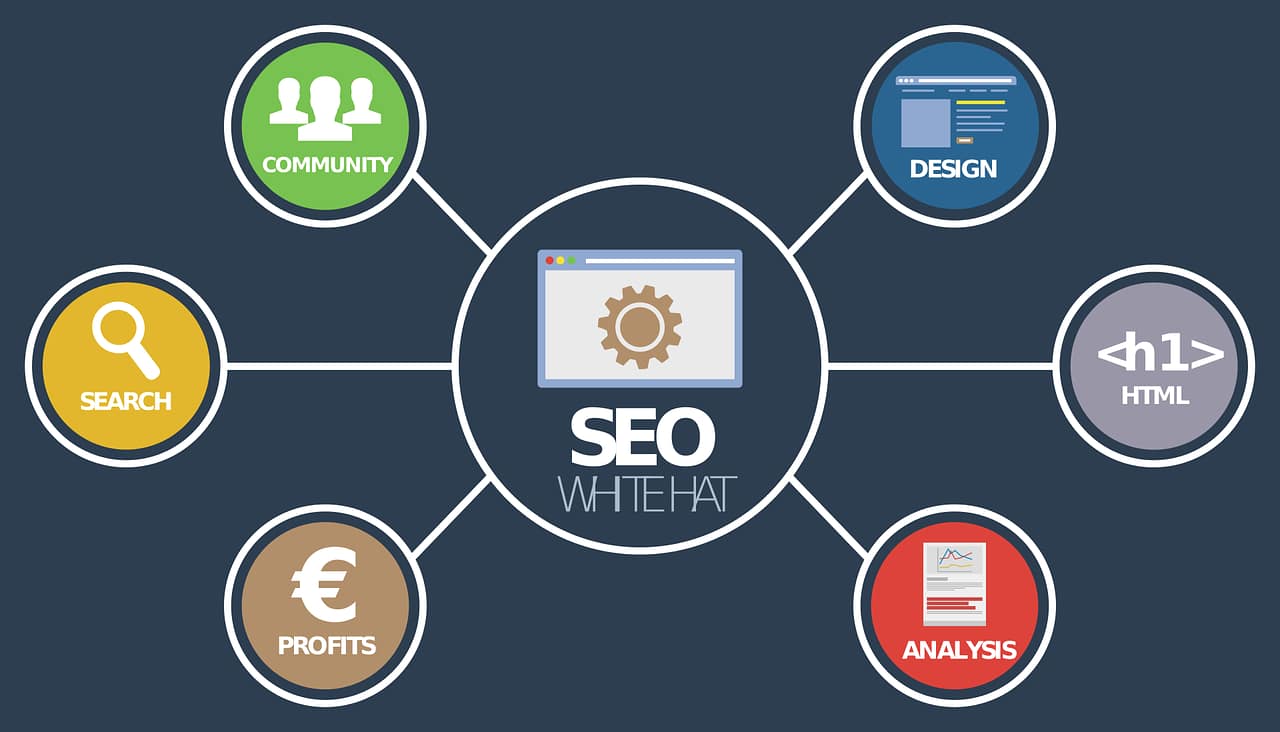
 There are several methods to achieve this: search and analysis, landing page optimization, writing SEO content, creating links, and websites. An experienced search engine optimization agency is planning to improve your website’s customer satisfaction.
 The organization has earned a reputation for its solutions that lead to media optimization, pay-per-click management, online branding, and SEO. The team works to provide wisdom to customers with years of experience in business and enterprise. Is SEO an online design and marketing? Their task is to present each supplier with affordable and best SEO services.