

As a marketer, getting an idea of your target audience is a must for the success of any marketing campaign. Market segmentation allows you to divide your potential customers into various different groups depending on their characteristics and behaviors. So when you buy TikTok followers, you know which one to choose and then grow. This not only helps you to tailor your message but also ensures that you are reaching the right people with the right message at the right time. Read on as we’re exploring four key types of market segmentation – demographic, psychographic, geographic, and behavioral – along with their best examples to help you better understand how they work and how they can benefit your business.
The Who: Demographic Segmentation
 Demographic segmentation is the most common form of market segmentation and involves categorizing customers based on age, gender, income level, education level, marital status, occupation, or other factors. This type of segmentation can help identify patterns in consumer behavior that are related to these demographic characteristics.
For example, a company selling toys may segment its target audience by age group – infants and toddlers for paremarket snts with young children. They might also consider household income levels as high-income families may be more likely to purchase higher-end products than low-income families. Demographic segmentation helps brands tailor their marketing campaigns specifically toward the targeted audience leading them toward success.
The Why: Psychographic Segmentation
Psychographic segmentation is another effective way of understanding your target audience’s psychological traits and lifestyle preferences. This type of market segmentation provides insights into why customers behave in certain ways, what motivates them to buy products or services, and how they perceive different brands. By analyzing their lifestyles and habits, you can build more personalized marketing messages resonating with their needs and desires. For example, imagine a company that sells eco-friendly clothing made from sustainable materials. Through psychographic segmentation analysis, this company may discover that its target audience consists largely of environmentally conscious consumers who prioritize ethical sourcing practices over price and use it to showcase the environmental benefits of its products while highlighting its commitment to social responsibility.

The Where: Geographic Segmentation
This approach is particularly useful for businesses looking to target consumers in specific areas or regions. For example, a company selling surfboards may want to focus on coastal regions where there are beaches and waves. The primary advantage of geographic segmentation is its ability to tailor marketing efforts based on regional differences. Businesses can customize their products, services, and promotions related to consumers’ unique needs and preferences in each region.
The How: Behavioral Segmentation
Behavioral segmentation is perhaps the most interesting type of market segmentation. It divides customers based on their behavior towards a product or service. This method helps companies identify and target specific groups of customers who buy products for similar reasons. For instance, a company may segment its market by purchasing frequency, purchase history, brand loyalty, benefits sought, or customer status. By analyzing consumer behavior patterns and preferences through surveys, analytics tools, or tracking cookies, companies can understand which groups are more likely to respond positively to certain marketing messages.
Using these four types of market segmentation effectively can help you build targeted campaigns that resonate with specific segments of your audience and ultimately drive more sales for your business. Take the time to understand each type of market segment thoroughly so that you can make informed decisions about which ones will be most effective for reaching your goals.

 Coming up with an e-mail list is probably the hardest thing. You need to collect e-mails from clients and potential clients. If you are offering a service, you can request your customers to fill their e-mail address after you serve them.
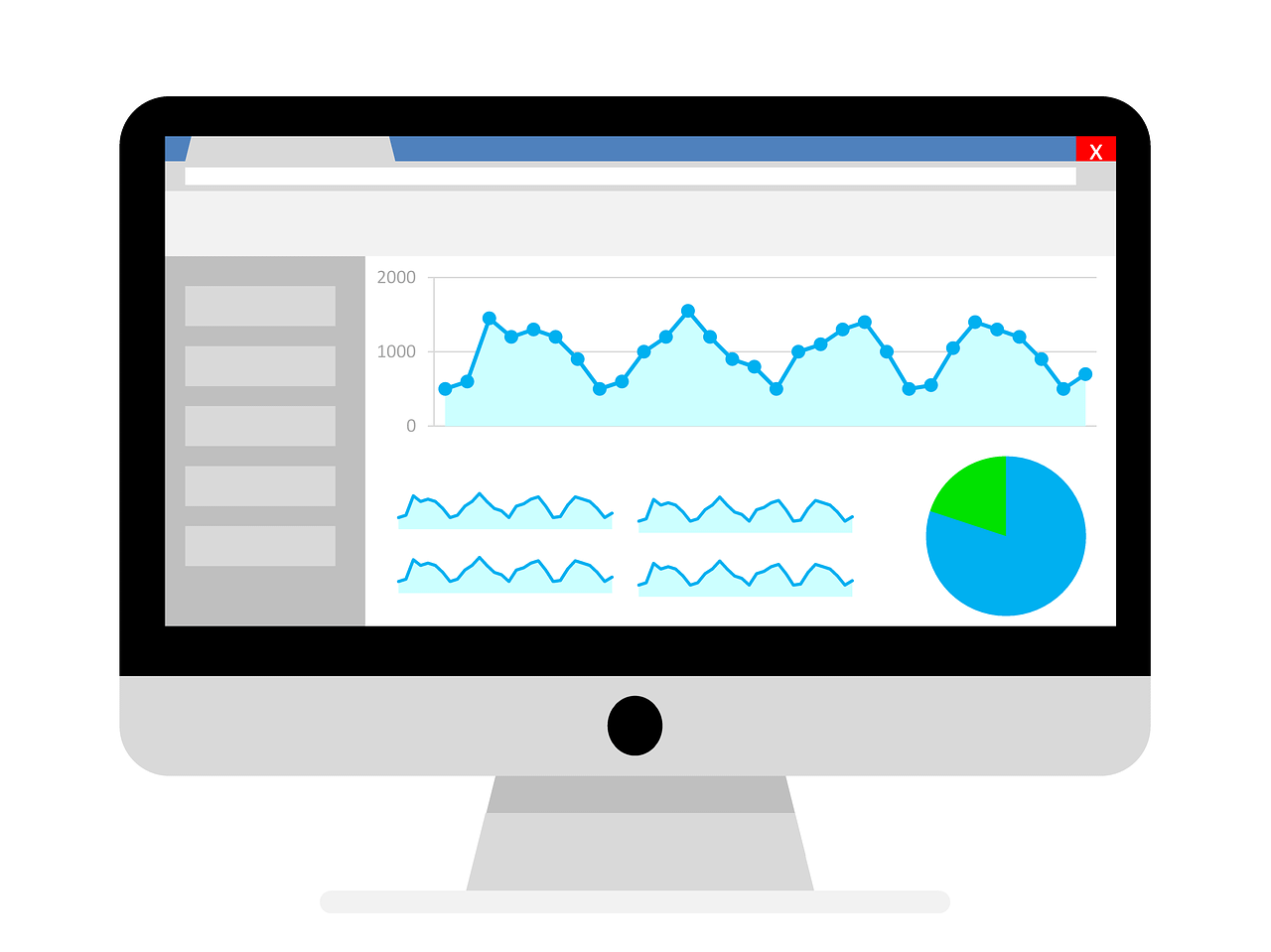
 Most business owners have an inadequate understanding of SEO. However, making it online with limited knowledge is not easy nowadays. It might have been easy in the past, but Google has refined its ranking algorithms, leaving no chance for the inexperienced. Without experience, you also run the risk of finding yourself in a larger hole than you were. Therefore, you need to work with a professional and let their expertise work for you.
 Ranking well on Google takes time and effort. If you are a proud owner of a website that has been in existence for a couple of years but has not made its way into the first page, indeed, something is not done right. Poor rankings are associated with missed opportunities to sell. To catapult your business and ensure it ranks highly among competing businesses, you should hire an SEO agency and let them refine your search engine presence.
 One of the first things you should do when you notice a decline in
  If you’re still getting traffic and generating leads, but your conversion rate has taken a nosedive, it’s a sign that something is wrong with your sales funnel. It could be that your offer is no longer compelling or that the copy on your website is no longer effective.