
It’s a fact that digital marketing is the future. You can market your products/services on your own, but it is strongly discouraged. Hiring a digital marketing company is the best way to do it. Many people do not realize the benefits of hiring a digital marketing agency.
One of the most popular companies you can find today is iMatrix. It is known that they have a lot of competitors. If you want to learn about it, you can learn about iMatrix’s Top 5 Competitors. Below are the advantages of hiring a digital marketing agency.
Saves Time and Money

You will save time and money if you hire an agency. Chances are you are too busy to run a small business. You have to attend meetings, make phone calls, and take care of other business matters. This leaves little time for marketing. A digital marketing agency will take care of all the marketing for your business. It may sound crazy to say that hiring an agency will help you market your business. But it’s true. Hiring an in-house marketer would cost you up to $70,000 per year. An agency will cost you a fraction of that amount.
Saves on Tools and Technology
Effective digital marketing requires the right tools to track data, monitor accounts, and perform other tasks. Small businesses most likely don’t have the funds to purchase the right tools and technology. Hiring an agency not only saves you time and money but also on technology and marketing tools. These tools can be expensive, especially if they need to be updated.
Achieves Faster Results

Marketing is a complicated part of your business. You probably don’t know what works and what doesn’t. This can lead to you playing games and guessing. You’ll make a lot of mistakes before you see results. Digital marketing agencies specialize in marketing, so they know all the niches. Since digital marketing tools change every day, agencies can keep up to date and make sure they only use the most effective ones. As a result, you will see immediate results.
As a marketer, getting an idea of your target audience is a must for the success of any marketing campaign. Market segmentation allows you to divide your potential customers into various different groups depending on their characteristics and behaviors. So when you buy TikTok followers, you know which one to choose and then grow. This not only helps you to tailor your message but also ensures that you are reaching the right people with the right message at the right time. Read on as we’re exploring four key types of market segmentation – demographic, psychographic, geographic, and behavioral – along with their best examples to help you better understand how they work and how they can benefit your business.
The Who: Demographic Segmentation
Demographic segmentation is the most common form of market segmentation and involves categorizing customers based on age, gender, income level, education level, marital status, occupation, or other factors. This type of segmentation can help identify patterns in consumer behavior that are related to these demographic characteristics.
For example, a company selling toys may segment its target audience by age group – infants and toddlers for paremarket snts with young children. They might also consider household income levels as high-income families may be more likely to purchase higher-end products than low-income families. Demographic segmentation helps brands tailor their marketing campaigns specifically toward the targeted audience leading them toward success.
The Why: Psychographic Segmentation
Psychographic segmentation is another effective way of understanding your target audience’s psychological traits and lifestyle preferences. This type of market segmentation provides insights into why customers behave in certain ways, what motivates them to buy products or services, and how they perceive different brands. By analyzing their lifestyles and habits, you can build more personalized marketing messages resonating with their needs and desires. For example, imagine a company that sells eco-friendly clothing made from sustainable materials. Through psychographic segmentation analysis, this company may discover that its target audience consists largely of environmentally conscious consumers who prioritize ethical sourcing practices over price and use it to showcase the environmental benefits of its products while highlighting its commitment to social responsibility.
The Where: Geographic Segmentation
This approach is particularly useful for businesses looking to target consumers in specific areas or regions. For example, a company selling surfboards may want to focus on coastal regions where there are beaches and waves. The primary advantage of geographic segmentation is its ability to tailor marketing efforts based on regional differences. Businesses can customize their products, services, and promotions related to consumers’ unique needs and preferences in each region.
The How: Behavioral Segmentation
Behavioral segmentation is perhaps the most interesting type of market segmentation. It divides customers based on their behavior towards a product or service. This method helps companies identify and target specific groups of customers who buy products for similar reasons. For instance, a company may segment its market by purchasing frequency, purchase history, brand loyalty, benefits sought, or customer status. By analyzing consumer behavior patterns and preferences through surveys, analytics tools, or tracking cookies, companies can understand which groups are more likely to respond positively to certain marketing messages.
Using these four types of market segmentation effectively can help you build targeted campaigns that resonate with specific segments of your audience and ultimately drive more sales for your business. Take the time to understand each type of market segment thoroughly so that you can make informed decisions about which ones will be most effective for reaching your goals.
Many businesses invest significant effort into blogging, yet fail to see tangible returns because their content does not drive sales. Writing blog posts purely for traffic or informational purposes can attract readers, but if those visitors do not convert into customers, the effort yields little business value. To bridge the gap between readership and revenue, companies must create posts that speak to potential buyers, highlight solutions, and guide readers toward actionable next steps. Implementing an agency conversion strategy ensures that each blog post aligns with commercial objectives, targets buyer intent, and encourages meaningful engagement. Focusing on this approach transforms blogging from a content exercise into a revenue-generating channel.
Identify Buyer-Focused Keywords
The foundation of a commercially-focused blog post is selecting keywords that attract potential customers rather than casual researchers. Broad informational terms may bring traffic but often do not result in purchases. Conduct keyword research with a focus on commercial intent, such as product-specific phrases or service-related questions that indicate a readiness to buy. Integrating these terms naturally throughout the post ensures search engines recognize relevance while attracting readers with a genuine interest in your offerings. A well-planned keyword strategy drives qualified traffic and supports measurable business outcomes rather than just page views.
Structure Content Around Solutions
Readers with commercial intent are seeking solutions to their problems or guidance on making a purchase. Organizing blog posts around these solutions emphasizes value and positions your products or services as answers to their needs. Use headings, bullet points, and examples that clearly outline how your offerings resolve specific challenges. Providing actionable steps and practical advice maintains engagement and reinforces credibility. When posts focus on solving real-world problems, visitors are more likely to take the next step, whether it is contacting your business, signing up for a service, or completing a purchase.
Include Clear Calls-to-Action
A commercially-focused blog post should always guide the reader toward an action. Calls-to-action (CTAs) signal the next step and reduce hesitation by showing a clear path forward. These can range from “Request a Quote” to “Add to Cart” or “Schedule a Consultation.” Position CTAs prominently within the post and use persuasive language that reinforces value. Without clear guidance, even highly engaged readers may leave without converting. Strategically placed CTAs help bridge the gap between informative content and tangible business outcomes, ensuring that posts contribute directly to your bottom line.
Link to Product and Service Pages
Internal linking is essential for converting blog traffic into sales. Posts that discuss relevant topics should reference your products or services, directing readers to pages where they can make a purchase or learn more. Contextual links provide a natural path for readers to explore offerings while maintaining the educational tone of the blog. This approach helps search engines understand the relationship between content and commercial pages, enhancing overall SEO performance. By connecting blog posts to actionable destinations, businesses increase the likelihood that visitors move further along the conversion funnel.
Use Social Proof and Case Examples
Commercially-focused content is strengthened by credibility signals such as testimonials, case studies, and customer reviews. Highlighting real-world examples demonstrates that your solutions have produced tangible results, building trust with potential buyers. Incorporate statistics, before-and-after scenarios, or quotes from satisfied clients to reinforce the value of your products or services. This not only increases engagement but also provides readers with confidence in taking action. By combining informative content with evidence of success, blogs can influence purchasing decisions and turn readers into paying customers.
Writing commercially-focused blog posts requires more than providing information—it involves attracting qualified visitors, addressing their challenges, and guiding them toward actionable outcomes. Selecting buyer-focused keywords, structuring content around solutions, using clear calls-to-action, linking to product or service pages, and incorporating social proof collectively create a blog strategy that drives measurable results. Businesses that apply these principles transform their content from a simple traffic generator into a revenue-generating tool. By focusing on conversion and reader intent, blogs become a vital part of a comprehensive marketing strategy, delivering both visibility and profitability.
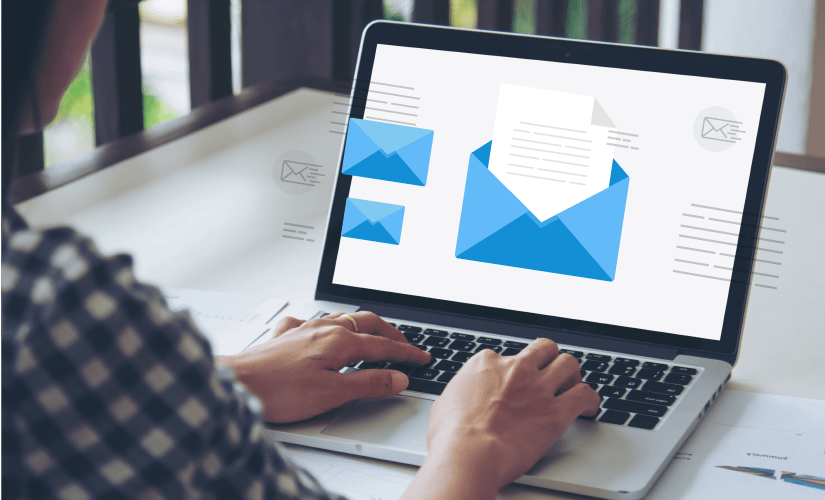
E-Mail marketing is an excellent way to reach your target customers. With e-mail marketing, you can target your customers and do direct selling. When done well, e-mail marketing is a good way to reach your customers and get results. Many people avoid e-mail marketing because it can be time-consuming.
The truth is that we now have ways to automate e-mail marketing. You do not have to keep sending the e-mails manually. With proper automation, you can save time, money, and still get the results that you want. Here are some e-mail marketing tips to keep in mind:
Come Up with an E-Mail List
Coming up with an e-mail list is probably the hardest thing. You need to collect e-mails from clients and potential clients. If you are offering a service, you can request your customers to fill their e-mail address after you serve them.
Some of them might decline, but others will be willing to give you their e-mail list. It will take some time, but you will gradually grow your e-mail list. It is not advisable to get e-mails illegally because the recipients will end up blocking you.
Make the E-Mails Personalized
When sending e-mails, make sure that you send personalized e-mails. Personalized e-mails are the best because they bring results. Customers can easily detect mass e-mails, and they will be turned off by your spam e-mails.
When sending e-mails, try to include their name in the e-mail to make the e-mail feel personal. These are the small changes that you can make for the e-mail to feel personal and targeted.
Be Consistent but Do Not Spam
Consistency is key when it comes to e-mail marketing. You might not achieve anything by just sending one e-mail. However, you might start noticing changes after sending several e-mails. When sending e-mails, avoid sending e-mails every day.
Do not send e-mails more than three times a week. Sending two e-mails per week is the best way to keep in touch with your clients without appearing pushy.
Automate the Process
Automating the process will help you save time and make the e-mails effective. You need to come up with a way to send the e-mails with little or no intervention.
The good news is that we now have software that can monitor the e-mails and make the process as easy as possible. Automating the process is easy and straightforward with the right tools.